
From the prompt To the tensor.
I-THAM builds interpretable, verifiable defenses for mission-critical AI. One safety layer across apps, agents, data, models, runtime and silicon.
Now in private Early Access Program.
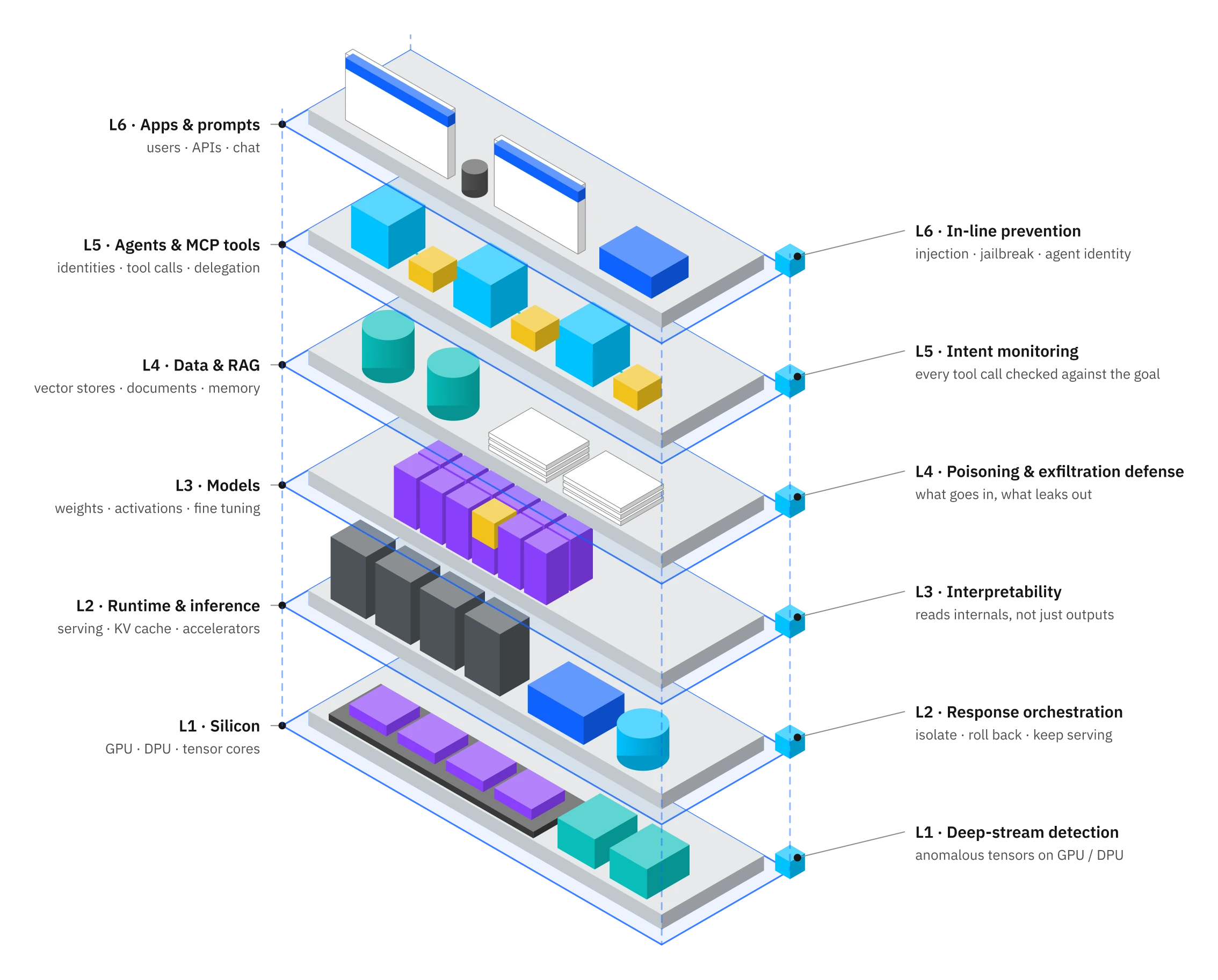
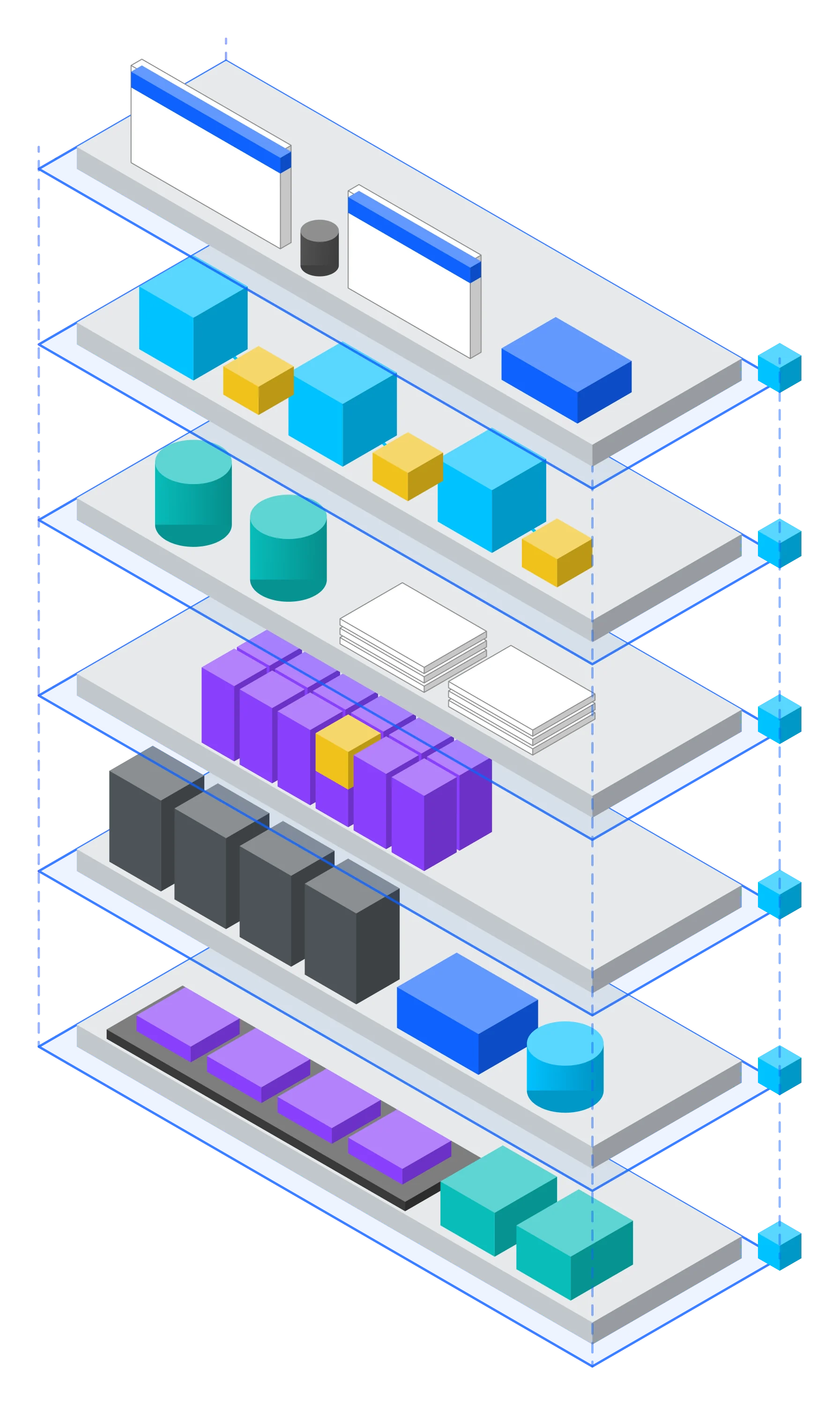
- Apps and promptsIn-line prevention for prompt injection, jailbreaks and misuse of agent identities.
- Agents and MCP toolsTool calls checked against what the agent was asked to do.
- Data and RAGGuarding against poisoning going in and sensitive data leaking out.
- ModelsInterpretability that reads model behaviour, not just outputs.
- Runtime and inferenceResponse that contains threats while AI keeps serving.
- SiliconDeep-stream detection where AI actually runs, on GPU and DPU.
AI is a stack. Attackers use all of it.
Security for AI takes more than spotting known threats. It means understanding how AI systems behave, what they are trying to achieve and where they are exposed, layer by layer.
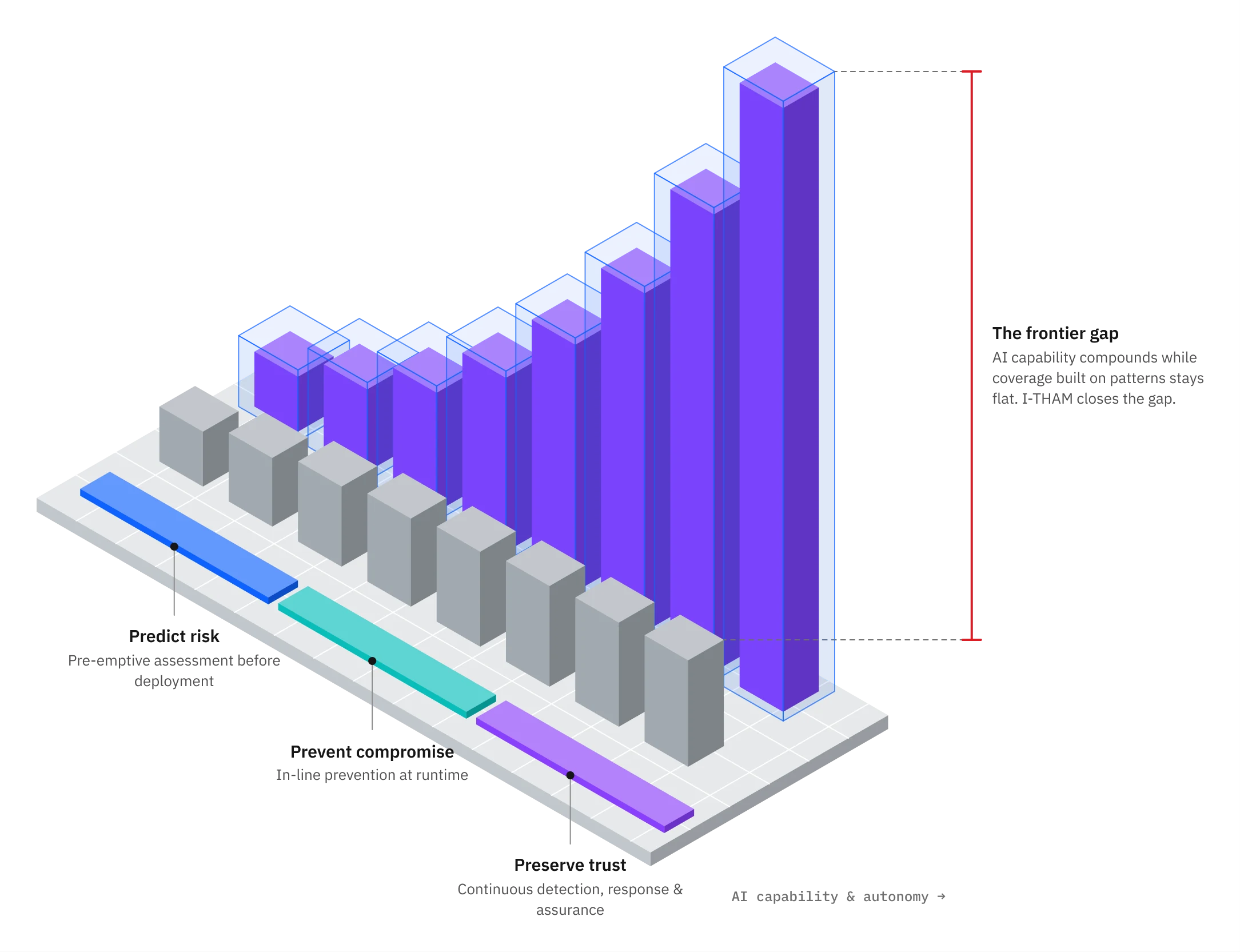
- Predict riskAssessment before models and agents reach production.
- Prevent compromiseIn-line prevention at runtime.
- Preserve trustContinuous detection, response and assurance.
Pushing the frontier of AI safety
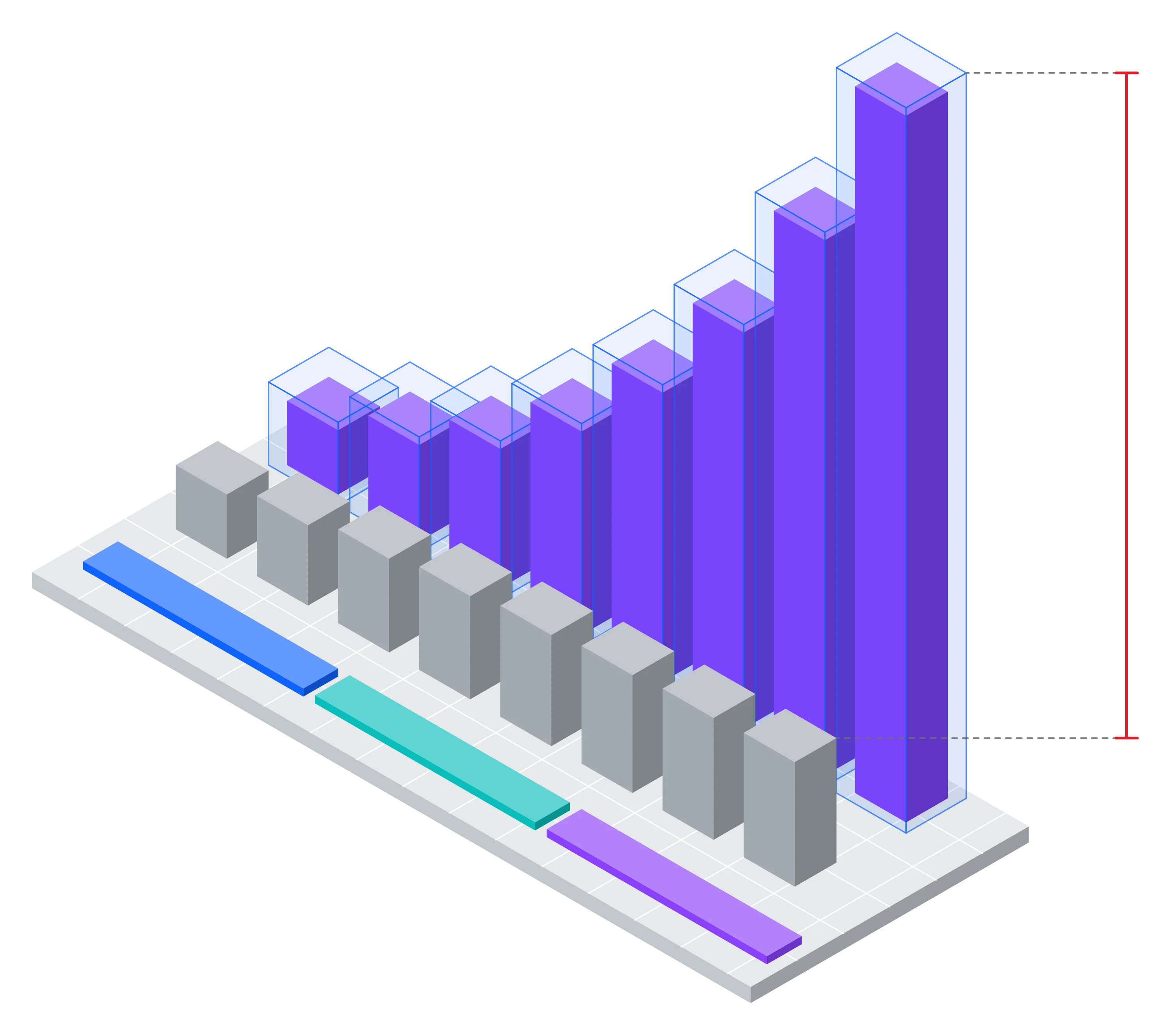
AI capability compounds every quarter. Security built on yesterday's patterns stays flat, and the gap between the two is where risk lives. We predict risk, prevent compromise and preserve trust, so assurance keeps pace with capability.
The Pyramid of Pain, rebuilt for the AI era
Detection still matters. The next frontier is understanding what is behind the signal: intent. That is where attackers feel the pain, and where I-THAM focuses.
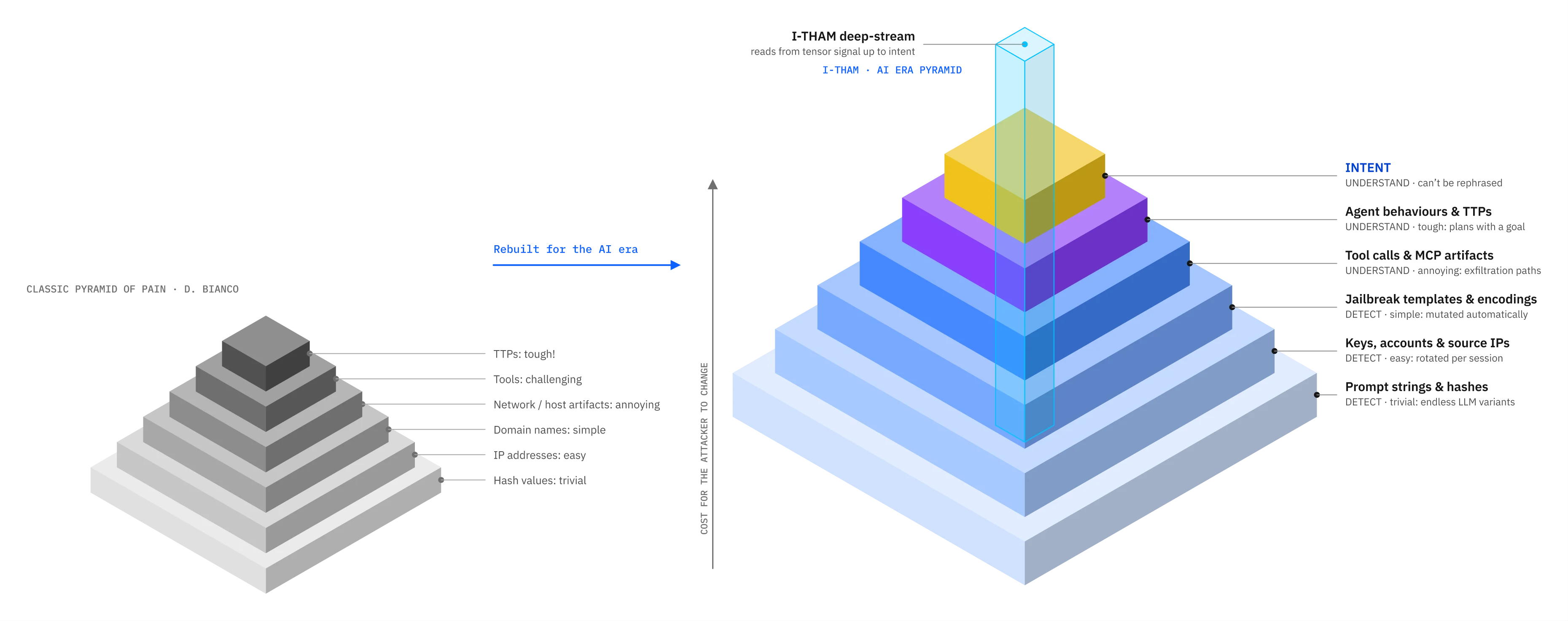

- The classic Pyramid of PainHashes, IPs and domains at the base, tools and TTPs at the top.
- Prompt strings and hashesTrivial to change. An attacker's model produces endless variants.
- Keys, accounts and IPsEasy to rotate between sessions.
- Jailbreak templatesSimple to mutate, translate or encode.
- Tool calls and MCP tracesHarder to hide. Unusual chains and exfiltration paths stand out.
- Agent behaviourTough to change. Plans that chase a goal leave a pattern.
- IntentWhat an attacker wants cannot be rephrased. This is where I-THAM focuses.
- The deep-stream viewI-THAM reads from the model signal up to intent.
Indicators are free to change
An attacker's own AI can rewrite a prompt, a key or a jailbreak template in seconds. The bottom of the pyramid no longer hurts.
Detection stays, as telemetry
I-THAM keeps the base automated and running at high volume. It informs the verdict instead of being the verdict.
Intent is where it hurts
Reading from the model signal up, I-THAM focuses on behaviour and intent, the things an attacker cannot change.
When the attack keeps changing, pattern matching can't keep up.
Five ways I-THAM protects AI
Before deployment, at runtime and after every decision. Each area works on its own and gets stronger together.
Deep-Stream Detection
Patented inspection for novel attack surface across models, agents and AI internals.
Explore02In-Line Prevention
Stop prompt injection, jailbreaks, data exfiltration and misuse of agent identities as they happen.
Explore03Pre-Emptive Assessment
Validate security, governance and compliance before production.
Explore04Risk-Driven Optimization
Focus remediation where it matters most to the business.
Explore05AI-Native Response Orchestrator
Orchestrate real-time response while the business keeps running.
Explore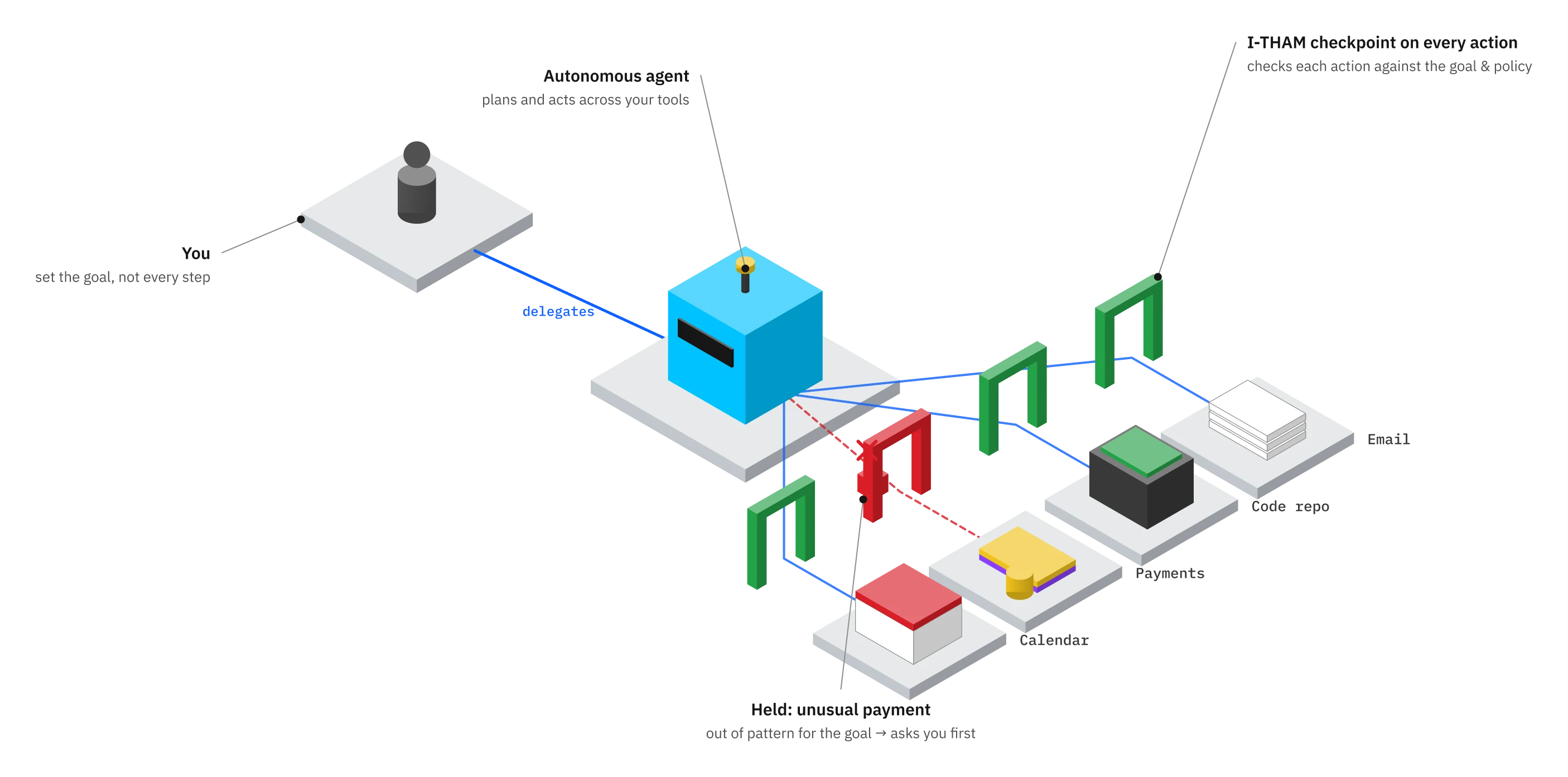
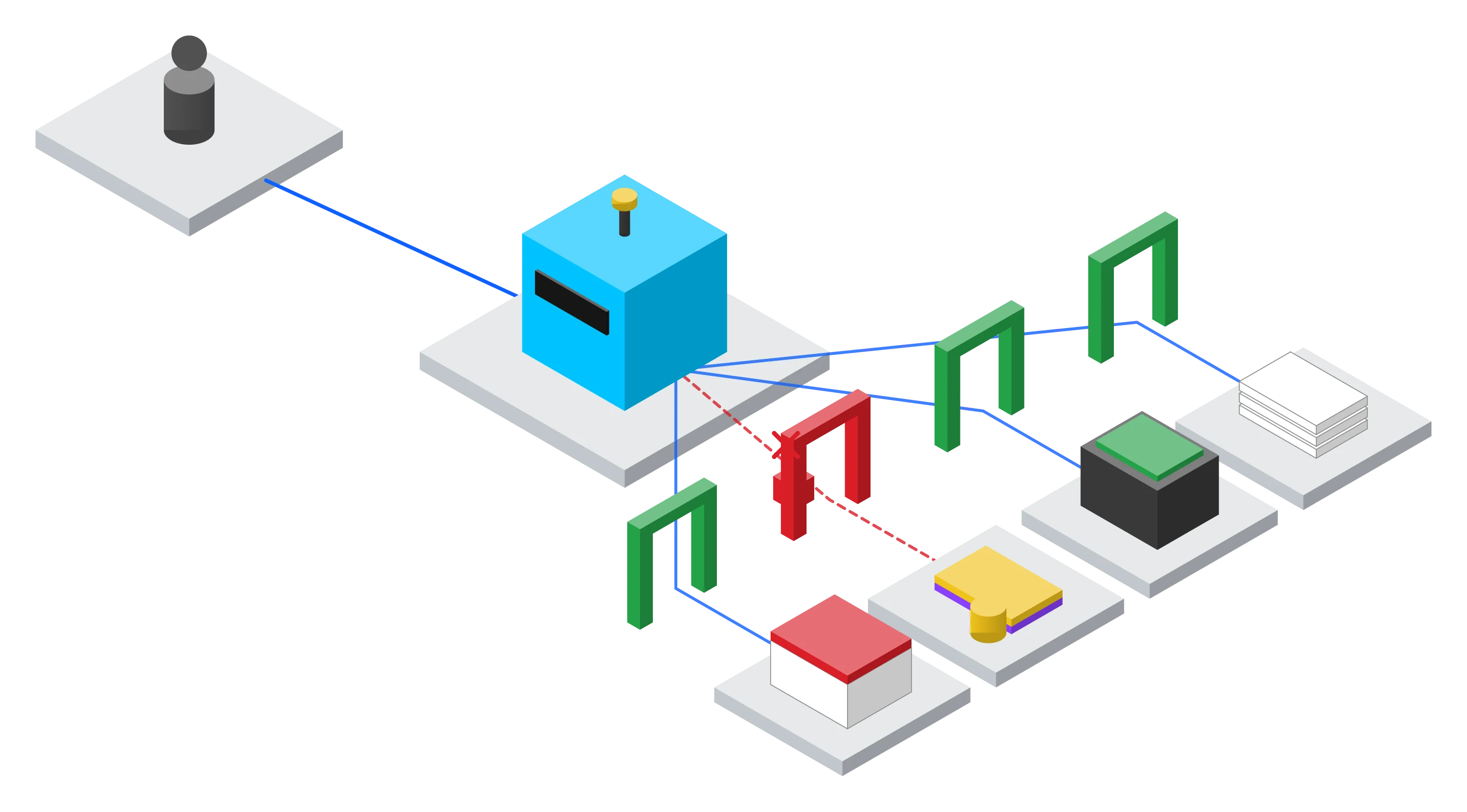
Autonomous AI is here. But can you trust it to act on your behalf?
The old question was whether our AI is secure. The one that matters now is whether we can trust it to act: to send the email, move the money or change the code on our behalf.
AI security, answered
What is I-THAM?
I-THAM is an AI security company based in Amsterdam, the Netherlands. We build interpretable, verifiable defenses that protect mission-critical AI systems across the full stack, from the prompt to the tensor.
What does "from the prompt to the tensor" mean?
AI risk is not only in the chat window. It spans apps and prompts, agents and their tools, data and retrieval, the models themselves, the runtime that serves them and the hardware they run on. I-THAM is designed to protect every one of those layers.
How is I-THAM different from other AI security tools?
Many AI security tools sit in front of the model and screen prompts against fixed rules and lists of known bad inputs, which holds only until an attack is reworded. I-THAM looks past the wording to the intent behind each request and action, across prompts, agents and the model itself, so new and rephrased attacks are recognised without boxing your AI in. Every verdict is explained, so teams can trust and audit it.
Does I-THAM protect AI agents?
Yes. Every agent acts under an identity I-THAM recognises, so unknown agents and agents reaching beyond their permissions are stopped. I-THAM also checks what agents do, including tool and MCP calls, against the goal they were given, so risky actions can be stopped or held for a person to approve.
Is I-THAM available today?
I-THAM is available through a private Early Access Program. Contact us to find out how I-THAM can secure your AI stack.
Where is I-THAM based?
I-THAM is headquartered in Amsterdam, the Netherlands, and works with organisations that run AI in mission-critical settings.
From Detection to Understanding
The next generation of AI security isn't just about detecting what happened. It's about understanding what an AI system is trying to achieve and stopping malicious intent before it becomes impact.